

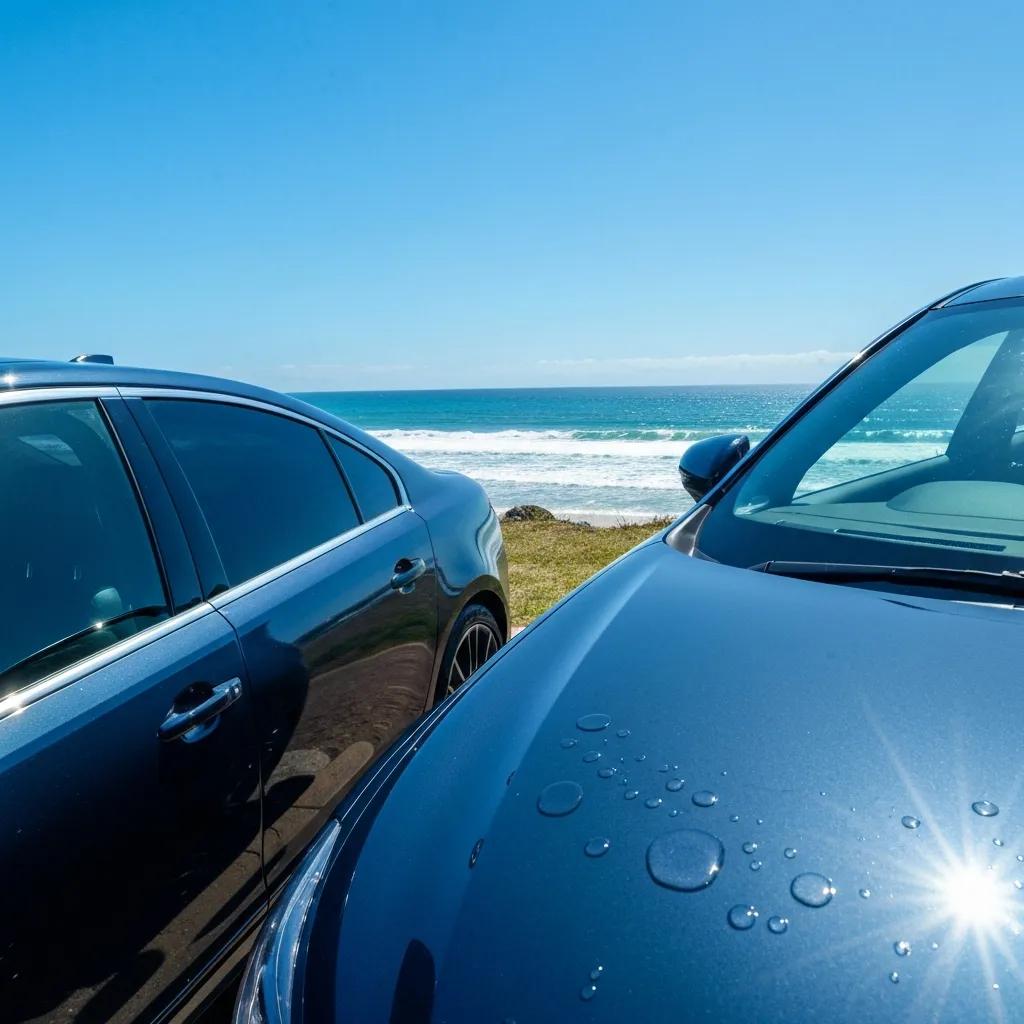
Superior Ceramic Paint Protection for Freshwater Vehicles
Superior Ceramic Paint Protection for Freshwater Vehicles: Premium Car Ceramic Coating and Paint Protection Solutions
Ceramic paint protection is a bonded, nano-ceramic layer applied to a vehicle’s clear coat that creates a durable, hydrophobic shield against contaminants, UV and chemical attack. Let’s dive into how this amazing nano-ceramic technology protects vehicles in Freshwater and the Northern Beaches, why professional application matters, and how to maintain a coated car in local coastal conditions. Many local owners face heavy sun exposure, salt spray and bird deposits that accelerate fading and staining; ceramic coatings reduce cleaning time and preserve gloss while resisting those stresses. Read on for a clear definition of the technology, a step-by-step view of professional Ceramic Pro application, reasons to choose local specialists, and practical maintenance guidance tailored to Freshwater. We’ll talk about terms like ceramic coating, Freshwater, hydrophobic car coating, and 9H ceramic coating, so you can easily understand the benefits for your local driving and resale value.
Elevate Your Freshwater Vehicle with Ceramic Coating
Ceramic paint protection is a SiO₂-rich nano coating that chemically bonds with the vehicle’s clear coat to form an ultra-thin, glass-like layer that repels water and contaminants. This special coating bonds with your car’s paint, creating a super-hard, glass-like layer that makes water and grime bead up and roll off. For Freshwater vehicles, this translates into less staining from bird droppings, better resistance to UV-induced fading, and a reduced rate of salt-related etching on exposed surfaces. The result is easier cleaning, retained gloss and improved long-term appearance for cars exposed to coastal conditions.
Different coating attributes make a practical difference for local owners, offering key technical advantages and their local benefits:
- Hydrophobic Surface: Causes water to bead and carry away dirt, reducing wash frequency.
- UV & Thermal Resistance: Slows clear coat degradation from strong Australian sun.
- Chemical Resistance: Helps prevent staining from bird droppings and road contaminants.
Here’s a quick look at how ceramic coatings benefit cars in Freshwater:
These technical features offer real-world advantages for cars facing coastal conditions.
How Does Nano-Ceramic Technology Protect Your Vehicle’s Paint?
Nano-ceramic protection creates a strong, glass-like barrier over your car’s paintwork. This bonded layer resists mild abrasion and chemical attack better than conventional waxes or sealants, acting like a “liquid shield” that keeps contaminants on the surface rather than allowing them to chemically bond with paint. In practice, salt spray and bird fallout that would normally etch paint remain easier to remove because the coating prevents direct contact with the clear coat. This is why a hydrophobic car coating saves you cleaning time and helps keep your car looking great, even with Northern Beaches conditions.
What Are the Key Benefits of Ceramic Coating for Australian Cars?
Ceramic coatings deliver a combination of protective and aesthetic benefits that suit Australian climates, especially coastal regions like Freshwater and Brookvale. They enhance surface gloss while providing measurable resistance to UV, which prevents premature fading of factory paint. The hydrophobic effect means dirt and salt are less likely to stick, reducing the frequency and intensity of washes needed to maintain a showroom finish. These coatings also complement paint correction work by locking in a high-gloss, swirl-reduced surface, which supports longer-term value retention for vehicles regularly exposed to sun and sea air.
How Does the Ceramic Pro Paint Protection Process Work in Freshwater?
Professional Ceramic Pro application follows a controlled sequence: deep wash and decontamination, paint correction to remove swirls and imperfections, and careful layered application with controlled curing between coats. Correct preparation ensures the SiO₂ molecules bond to a clean, defect-free clear coat rather than sealing dirt or oils, which is why preparation is as important as the product itself. After application, initial curing and sensible precautions minimise contamination during the first 24–72 hours and help the coating achieve its designed hardness and hydrophobic behaviour. These steps matter more in coastal environments where contaminants challenge bond quality and how long the protection can last.
Here’s a simple breakdown of our professional Ceramic Pro application process:
- Deep wash & decontamination: Removes bonded grime and oils so the coating bonds correctly.
- Paint correction & polishing: Eliminates swirls and defects to maximise gloss and surface uniformity.
- Layered Ceramic Pro application: Controlled layering builds protection; each layer is allowed to cure.
- Final inspection & client handover: Confirms finish and explains initial care instructions.
Each step is crucial to ensure the best possible bond and a stunning, long-lasting finish.
This table shows how each stage contributes to a durable, high-gloss finish perfect for Freshwater cars.
What Are the Steps Involved in Professional Ceramic Coating Application?
A professional applicator begins with a meticulous wash and machine-assisted decontamination, then assesses the paint to decide the extent of correction needed before coating. Polishing removes swirls and microscopic scratches, creating a smooth, clear coat that reflects light consistently and allows the coating to bond evenly. During application, coatings like Ceramic Pro are applied in thin, controlled layers; each layer is allowed its brief cure period to form cross-links before the next is added. This ordered approach yields a uniform, high-gloss finish that better resists environmental stresses than rushed, DIY attempts.
Why Is Professional Application Important for Long-Lasting Protection?
Professional application minimises the risk of trapped contaminants, high spots, or uneven coverage that can shorten coating performance and appearance. Trained technicians use controlled workshop environments to manage temperature and contamination, ensuring consistent curing and bond strength for SiO₂ nano-layers. Paint correction before coating enhances final gloss and reduces swirl marks, meaning the finished surface both looks better and performs better against UV and chemical exposure. For Freshwater owners, professional application translates into a more reliable hydrophobic finish and longer practical protection in coastal conditions.
Why Choose Deluxe Car Wash and Detailing for Ceramic Paint Protection in Freshwater?
Deluxe Car Wash and Detailing (also operating as Deluxe Automotive Detailing) is a local Brookvale workshop serving Freshwater and the Northern Beaches with specialised ceramic paint protection services. The team offers professional Ceramic Pro paint protection and pairs coating application with expert paint correction, particularly for darker coloured cars where swirl removal and depth of gloss matter most. Local owners benefit from a specialist who understands the specific threats of salt air and intense sun and applies processes to reduce those risks while enhancing finish and ease of maintenance.
Deluxe’s local strengths include:
- Local Northern Beaches service area and workshop accessibility.
- Experience applying Ceramic Pro paint protection combined with professional paint correction.
- Focus on dark-coloured cars and swirl mark removal to maximise gloss and depth.
Ready to Give Your Car the Best Protection?
Discover how our expert Ceramic Pro application can transform your vehicle’s appearance and durability.
What Makes Deluxe Car Wash the Trusted Ceramic Coating Specialist in Northern Beaches?
Deluxe Car Wash and Detailing positions itself as a specialist in professional paint correction and Ceramic Pro application for the Brookvale and Freshwater communities. Their approach links correction work with industry-standard Ceramic Pro products to deliver a high-gloss, hydrophobic coating tailored to coastal exposures. By combining targeted polishing with controlled coating application, Deluxe helps owners protect paint against UV, salt spray and contaminants while improving final appearance and washability. This local expertise provides practical value to Northern Beaches drivers who want a durable finish and easier day-to-day care.
How Does Ceramic Pro’s 9H Hardness and Hydrophobic Features Enhance Vehicle Value?
Ceramic Pro’s 9H rating refers to the coating’s relative surface hardness on the pencil scale, indicating strong resistance to light scratches and marring compared with traditional waxes. That hardness, together with a super-hydrophobic surface, reduces surface abrasion from dirt and simplifies cleaning after exposure to salt or bird deposits. The combined effect is a consistently higher gloss and fewer visible defects, which supports perceived vehicle condition and resale appeal. While how long the coating lasts varies with use and care, these measurable attributes translate into clearer preservation of exterior finish and easier maintenance for coastal vehicles.
How Can You Maintain Your Ceramic Coated Vehicle in Freshwater for Maximum Durability?
Maintaining a ceramic-coated vehicle in Freshwater focuses on gentle, regular care that preserves the hydrophobic layer and avoids abrasive actions that can induce swirls. Use pH-neutral, non-abrasive shampoos, wash by hand with a soft microfibre mitt, and avoid automated brush systems that can break down the coating’s surface quality. Regular rinsing after coastal exposure and prompt removal of bird droppings or tree sap reduces chemical dwell time on the coating. Periodic professional inspections help identify areas needing top-up maintenance and ensure the coating continues to perform in local conditions.
Recommended maintenance checklist for Freshwater owners:
- Use pH-neutral car shampoo and soft microfibre mitts for hand washes.
- Rinse salt and contaminants off quickly after coastal trips.
- Avoid rotary brushes and abrasive polishes that can degrade the coating.
- Book a professional inspection if you notice reduced water beading or surface staining.
Follow this checklist to keep your coating performing its best and looking great between professional visits.
This maintenance guide helps Freshwater owners protect their coating’s performance and keep their car looking pristine.
What are the Best Practices for cleaning and caring for Ceramic cars?
Best practice begins with gentle hand washing using a two-bucket method and pH-neutral shampoos that do not strip the SiO₂ layer, followed by careful drying with plush microfibre towels to prevent marring. Avoid touchless or roller washes, which may use harsh chemicals or abrasive brushes that degrade the coating’s appearance. When contamination occurs, use safe clay or iron decontamination techniques administered by professionals to avoid damage. These steps maintain the coating’s hydrophobicity and gloss while reducing the need for aggressive correction later.
How Long Does Professional Ceramic Paint Protection Last in Australian Conditions?
The longevity of professional ceramic paint protection depends on application quality, local exposure, and maintenance routines, rather than a fixed timeframe. Professional application and proper care can significantly extend the practical lifespan compared with consumer sealants. Factors that influence life include frequency of coastal driving, exposure to sunlight, cleaning methods and the number of protection layers applied during installation. Monitoring performance through water beading and inspection helps decide when maintenance or reapplication is appropriate. For Freshwater owners, sensible maintenance and professional follow-up keep coatings performing under coastal stressors for as long as possible.
This guide aims to give you a clear understanding of how Ceramic Pro and professional paint protection can keep your Freshwater vehicle looking its best and protected from our unique coastal conditions.